Cable television begun in 1948, in the remote valleys in Pennsylvania.
This was due to the poor reception problems in the area.
The people living in these valleys decided to put antennas on hills nearby and then ran cables to their houses.
Cable television is a way of providing TV to customers using signals that are transmitted through cables.
How does cable television work?
Satellites orbit the Earth's path at a fixed position around 22,000 miles above the surface of the Earth.
Television programmes from across the world are transmitted to these satellites.
The signals are then sent back down to Earth, to the local cable satellites that serve each area.
Miles of cable networks are installed underground or on the same utility poles which carry the regular telephone and electric services.
The control center of the companies which provide cable television, sometimes known as the 'head end' processes the satellite signals in combination with the signals from the local television stations and other similar resources.
These signals are then relayed into homes through the network of the laid cables that were placed previously, thus providing a cable outlet in the house.
To then access this cable television service, a subscription to a cable company is required.
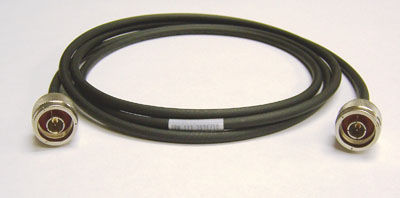
A coaxial cable or an RF cable will then be an outlet to the television set.
Then all that needs to be done is to program the television to recieve the cable channels.
Cable television can be considered better than satellite due to the signals being sent through cables and not through the air, this enables better quality of reception as the signals are not disturbed by anything else.

Image source link.
http://www.howstuffworks.com/cable-tv.htm
http://inventors.about.com/library/inventors/blcabletelevision.htm
http://wiki.answers.com/Q/How_does_cable_television_work
All of the above text and images were sourced from the sources provided in the above links.

No comments:
Post a Comment